Keynote Speakers 2026
Keynote Speaker Ⅰ
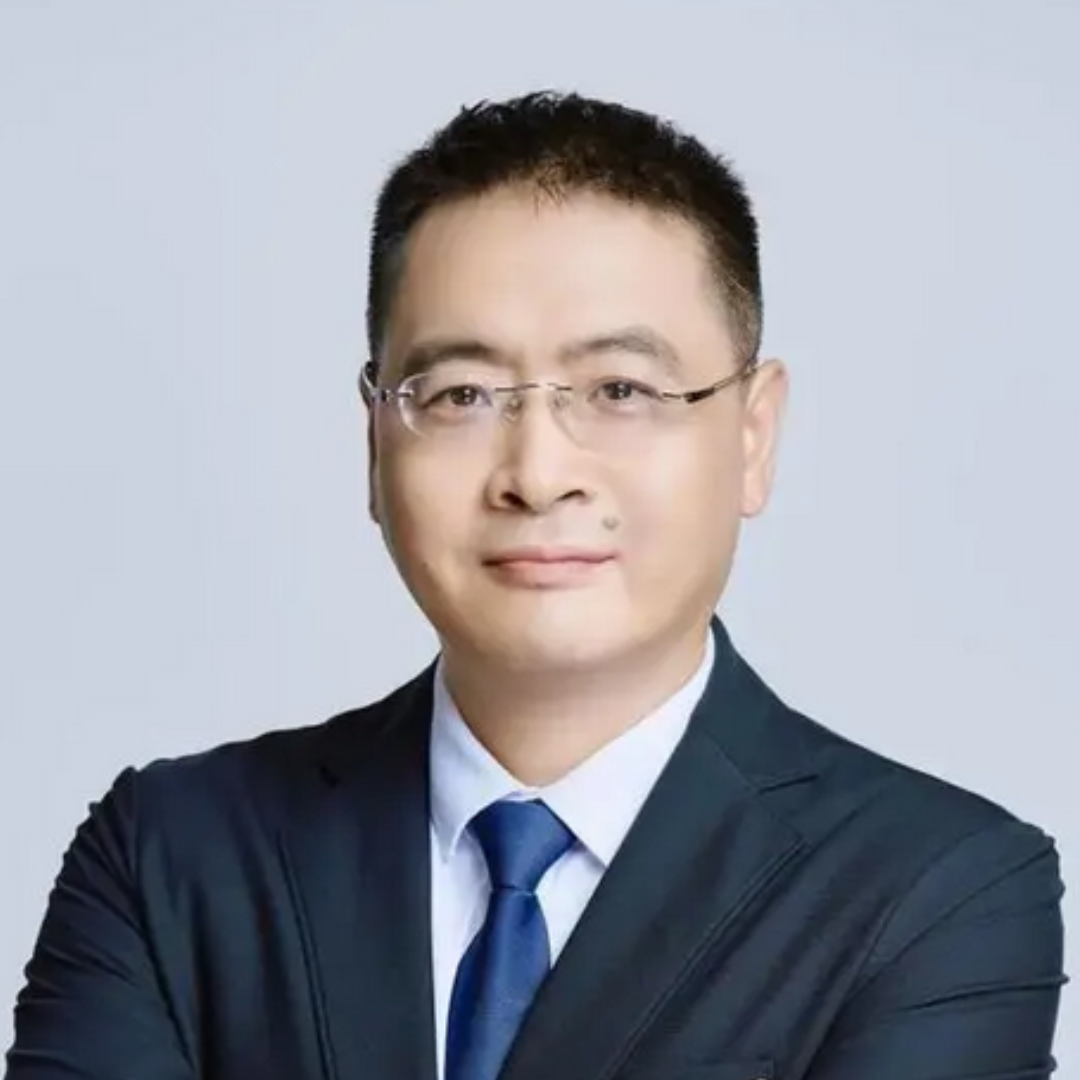
Prof. Laurence T. Yang
Zhengzhou University, China
FIEEE FCAE FIET FAAIA
Brief Introduction: Laurence T. Yang got his BE in Computer Science and Technology and BSc in Applied Physics both from Tsinghua University, China and Ph.D in Computer Science from University of Victoria, Canada. He is the Academic Vice-President and Dean of School of Computer Science and Artificial Intelligence, Zhengzhou University, China. His research includes Cyber-Physical-Social Intelligence. He has published 600+ papers in the above area on top IEEE/ACM Transactions with total citations of 48000+ and H-index of 111 including 8 and 44 papers as top 0.1% and top 1% highly cited ESI papers, respectively.
His recent honors and awards include a member of International Eurasian Academy of Sciences (2026) and US National Academy of Artificial Intelligence (2025) and a member of Academia Europaea, the Academy of Europe (2021), IEEE CS Edward J. McCluskey Technical Achievement Award (2026), NAAI Distinguished AI Scholar Award (2025), IEEE TEMS Technical Achievement Award on Blockchain (2022), John B. Stirling Medal (2021) from Engineering Institute of Canada, IEEE Sensor Council Technical Achievement Award (2020), IEEE Canada C. C. Gotlieb Computer Medal (2020), IEEE TCSC Technical Achievement Award on Scalable Computing (2017), Clarivate Analytics (Web of Science Group) Highly Cited Researcher (2019, 2020, 2022, 2023, 2024, 2025), Distinguished Fellow of International Engineering and Technology Institute (2025), Fellow of Institution of Engineering and Technology (2020), Fellow of Institute of Electrical and Electronics Engineers (2020), Fellow of Engineering Institute of Canada (2019), Fellow of Canadian Academy of Engineering (2017), etc.
Speech Title: Cyber-Physical-Social Intelligence
Abstract: The booming growth and rapid development in embedded systems, wireless communications, sensing techniques and emerging support for cloud computing and social networks have enabled researchers and practitioners to create a wide variety of Cyber-Physical-Social Systems (CPSS) that reason intelligently, act autonomously, and respond to the users’ needs in a context and situation-aware manner, namely Cyber-Physical-Social Intelligence. It is the integration of computation, communication and control with the physical world, human knowledge and sociocultural elements. It is a novel emerging computing paradigm and has attracted wide concerns from both industry and academia in recent years.
This talk will present our latest research on Cyber-Physical-Social Intelligence. Corresponding case studies in some typical applications will be shown to demonstrate the feasibility and flexibility.
Keynote Speaker Ⅱ
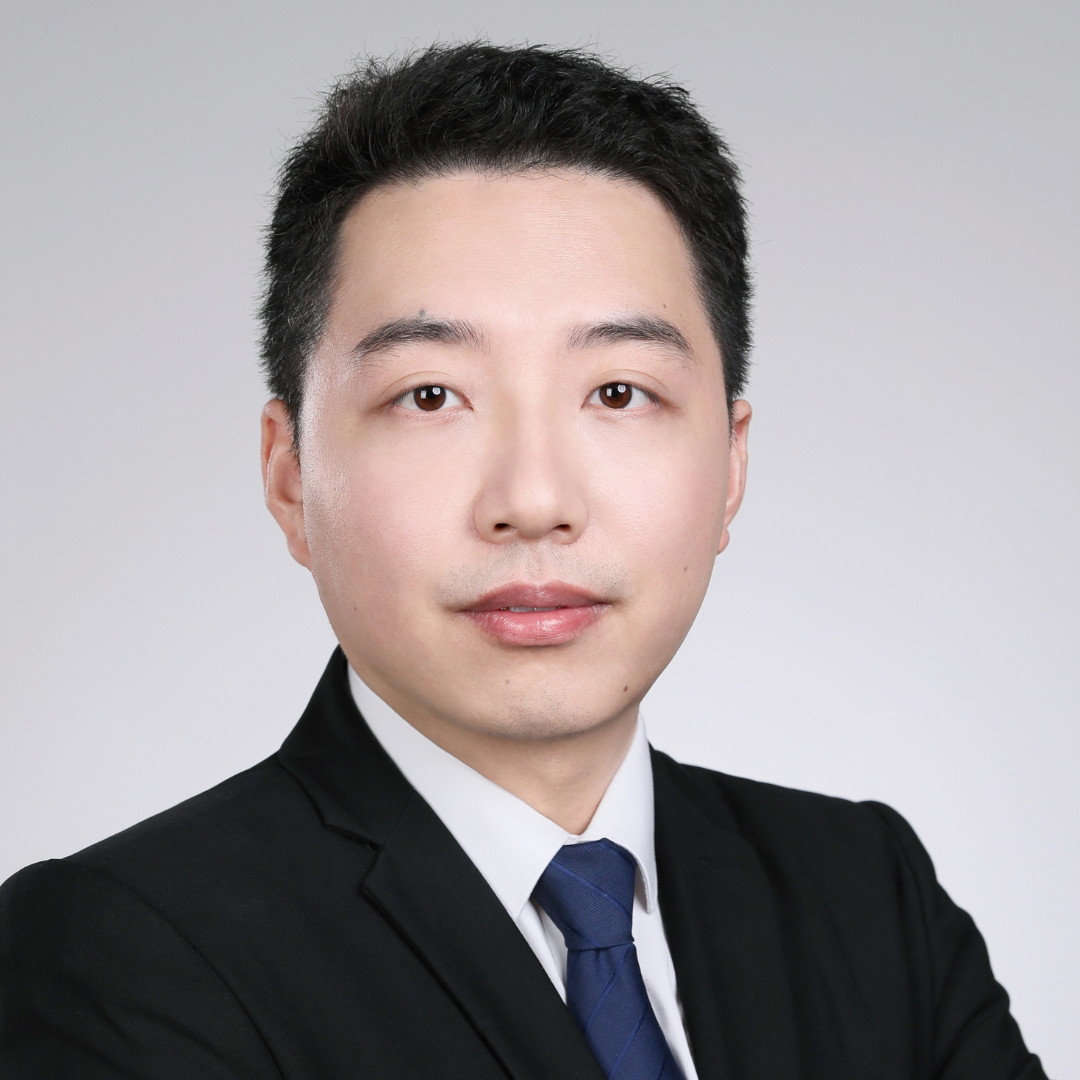
Prof. Wei Shen
Shanghai Jiao Tong University, China
Brief Introduction: Wei Shen is a professor at the Institute of Artificial Intelligence, Shanghai Jiao Tong University. He received NSFC Excellent Young Scientists Fund. He has over 100 peer-reviewed publications in computer vision and machine learning related areas, including IEEE Trans. PAMI, IJCV, IEEE Trans. Medical Imaging, NeurIPS, ICML, ICCV, CVPR, etc. He served as an Area Chair for multiple top-tier international conferences, such as ICCV, CVPR, NeurIPS and ICML. He is an Associate Editor for Pattern Recognition and SCIENCE CHINA Information Sciences. He received the MICCAI Young Scientist Award in 2023 and CSIG Young Scientist Award in 2025.
Speech Title: Vision Foundation Model: Adaptation and Applications
Abstract: Vision foundation models, including SAM, CLIP, etc., are visual backbone networks that have undergone large-scale pre-training and are important components of vision large language models. This report will present a series of work carried out by our team on the adaptation and application of vision foundation models, including: 1) 3D perception based on vision foundation models; 2) Visual reasoning based on vision foundation models and vision large language models.
Keynote Speaker Ⅲ
Prof. Ping Hu
University of Electronic Science and Technology of China, China
Brief Introduction: Ping Hu is a professor at UESTC and an adjunct professor at VinUniversity. Before joining UESTC, he was a Postdoctoral Associate at Boston University, working with Prof. Kate Saenko and Prof. Stan Sclaroff, from whom he also received his Ph.D. degree. His research focuses on efficient learning and inference for scene understanding. He has published around 80 peer-reviewed papers in computer vision and machine learning, including IEEE T-PAMI, IJCV, IEEE T-IP, NeurIPS, ICML, ICLR, ICCV, CVPR, ECCV, AAAI and ACM Multimedia. He has served as an Area Chair for multiple top-tier international conferences, including CVPR, NeurIPS, ICML, ICLR, IJCAI and ACM MM, and serves as the Technical Program Chair for BMVC 2026. He is an Associate Editor for Pattern Recognition and ACM Computing Surveys.
Speech Title: From Signals to Intelligence: Rethinking LiDAR for the Era of Physical AI
Abstract: The emergence of Physical AI is redefining the role of perception in intelligent systems. While recent foundation models have achieved remarkable progress in semantic understanding, robust interaction with the physical world still depends on accurate, reliable, and geometry-aware sensing. As one of the few sensing modalities that directly measures 3D structure, LiDAR remains indispensable for building trustworthy physical intelligence. Over the past decade, however, LiDAR research has largely focused on treating measurements as inputs to downstream perception models, with comparatively less attention paid to the sensing process itself. In this talk, I will argue that the next generation of LiDAR research should revisit the entire sensing pipeline, from signal formation and physics-aware processing to geometry-centric representation learning and intelligent perception. Building upon several recent work on LiDAR perception and signal processing, I will discuss how low-level sensing, physical modeling, and modern AI can be jointly developed to improve robustness, generalization, and reliability in complex real-world environments. Finally, I will share my perspective on future research opportunities toward intelligent LiDAR sensing for Physical AI.
Keynote Speaker Ⅳ
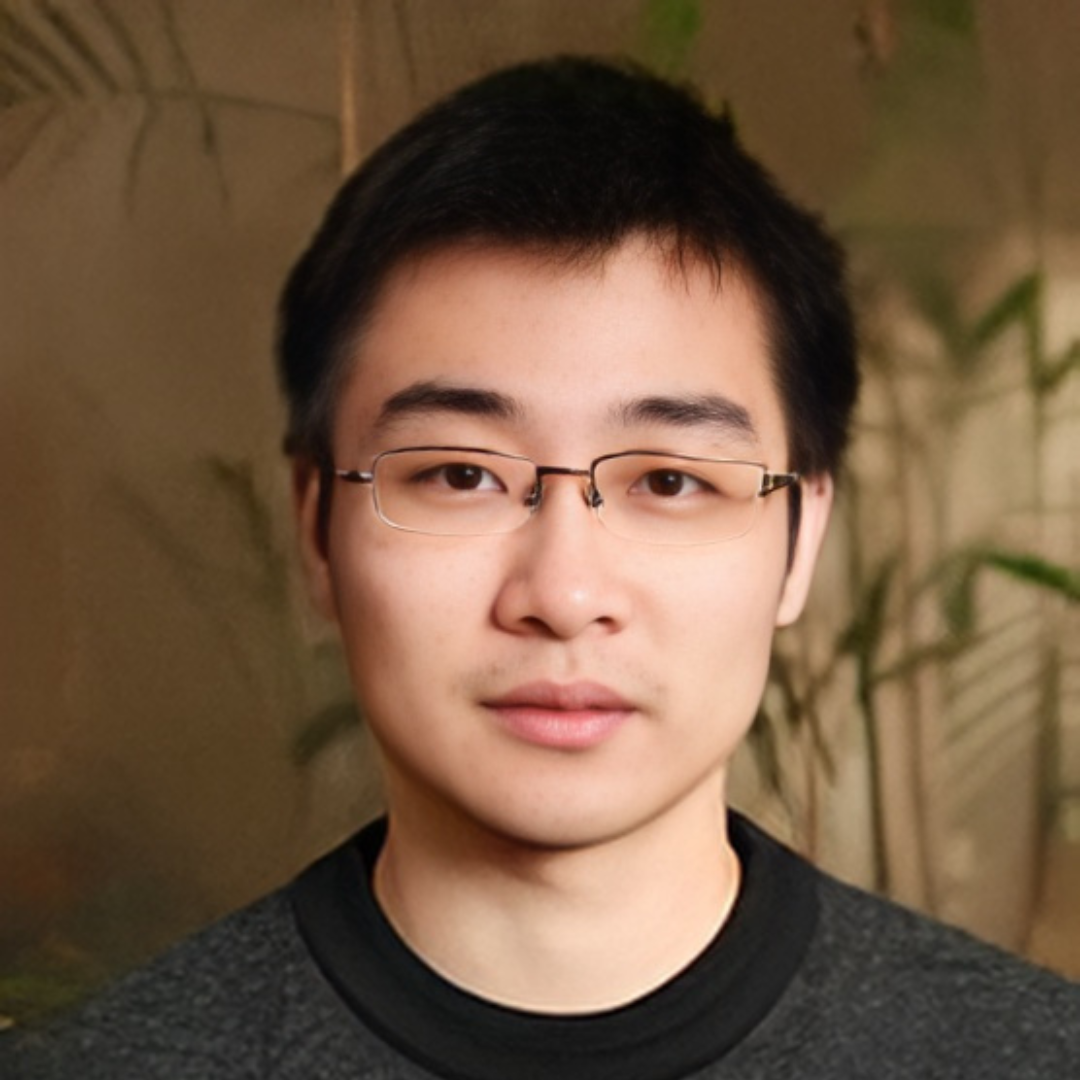
Prof. Xiaokang Zhou
Kansai University, Japan
Brief Introduction: Xiaokang Zhou received the Ph.D. degree in human sciences from Waseda University, Japan, in 2014. He is currently a professor with the Faculty of Business Data Science, Kansai University, Japan. Dr. Zhou has published more than 260 refereed papers in prestigious academic journals and leading international conferences, including THMS, TLT, TCSS, TETC, IoTJ, TSC, TBD, TII, TCBB, TNSE, TVT, TOMM, T-ITS, TIA, TOSN, JSAC, WCM, TOIT, TASE, TCE, TIV, INS, INF, TNNLS, TFS, TAI, TCCN, TIST, TAAS, TMC, etc. Dr. Zhou is selected as 2022-2025 Stanford University World’s Top 2% Scientists (“single recent year” from 2022, “career-long” from 2025), 2024-2025 Scilit Top Cited Scholars, 2024-2025 ScholarGPS World’s Top 0.05% Highly Ranked Scholars. He is the recipient of 2025, 2023, 2020 IEEE SMC Society Andrew P. Sage Best Transactions Paper Award, 2025 IEEE TCSC Award for Excellence (Middle Career Researcher), 2025 IEEE TCE Best Associate Editor Award, Best Special Session Award, 2023 IEEE Industrial Electronics Society TC-II Best Paper, 2022 IEEE HITC Award for Excellence in Hyper-Intelligence (Early Career Researcher), and 2021 Shiga University President Award. He won the best paper awards of IEEE HPCC’25, NLDB’25, IEEE DSS’24, IEEE BDCloud’24, IEEE HPCC’23, IEEE ISPA’22, IEEE ATC’22, IEEE iThings’22, IEEE DependSys’21, EAI CloudComp’21, IEEE SmartData’20, ICADIWT’16, IEEE ITME’14, AIM’13, and IET U-Media’12, the outstanding paper awards of IEEE ICPADS’23, IEEE TrustCom’23, IEEE UIC’22, and CENet’21. Dr. Zhou has served as area editor for AIHC, associate editor for IoTJ, Connection Science, and guest editor for several reputable scientific journals, including TCSS, Computer Communications, TCE, Applied Energy, JSA, IoTJ, TOSN, TCBB, BAE, IEM, INF, BDR, CAEE, WWW, Ad Hoc Networks, MTAP, JPDC, and FGCS. He is currently serving as special issue chair for TSUSC, associate editor for TSUSC, TCSS, TCE, BDMA, JCSC, CAEE, and HCIS. His research interests include ubiquitous computing, big data, machine learning, behavior and cognitive informatics, cyber-physical-social systems, and cyber intelligence and security. Dr. Zhou is a senior member of the IEEE CS, USA, a member of the ACM, USA, IPSJ, and JSAI, Japan, and CCF, China. Contact him at zhou@kansai-u.ac.jp.
Speech Title: Deep Neural Network Design for Advanced Service Computing in CPSS
Abstract: The high development of emerging computing paradigms, such as Ubiquitous Computing, Mobile Computing, and Service Computing, has brought us a big change from all walks of our work, life, learning and entertainment, along with increasing attention from both academia and industry. In this talk, we concentrate on "Deep Neural Network Design for Advanced Service Computing in CPSS", specifically, discuss models and methods on big data aggregation, organization and mining using machine learning/deep learning techniques for service computing in cyber-physical-social systems. As for implementations, mechanisms and algorithms are introduced based on the design of several deep neural network models for smart applications, including personalized recommendation, anomaly detection, object detection, data augmentation, developed in modern cyber-physical-social systems.